

Chinese noodles aren’t just food—they’re woven into the very fabric of Chinese life. For over four thousand years, they’ve gone from simple sustenance to a beloved symbol of tradition, comfort, and even good fortune. Their story mirrors China’s own journey through time, technology, and cultural exchange.
Ancient Beginnings
People often think noodles started during the Han Dynasty (206 BCE–220 CE), but the real story goes back much further. In 2002, archaeologists made a remarkable discovery at the Lajia site in northwestern China: a 4,000-year-old bowl containing noodles made from millet. This find pushed back the known history of noodles by centuries and showed just how inventive early Chinese cooks were, long before wheat became dominant.
Evolution Through the Dynasties
As dynasties rose and fell, noodle-making kept improving. By the Tang Dynasty, wheat had taken center stage, and cooks began experimenting with different shapes, thicknesses, and cooking methods—boiling, steaming, and even frying.
The Song Dynasty (960–1279 CE) was a real turning point. Cities grew rapidly, the economy boomed, and noodle shops popped up everywhere. For the first time, noodles became everyday street food that almost anyone could enjoy. This era also saw the birth of classic techniques like hand-pulled noodles and knife-cut noodles that we still love today.
Regional Varieties and Cultural Meaning
One of the most wonderful things about Chinese noodles is their incredible diversity. Different regions developed their own signature styles based on local ingredients and tastes.
In Beijing and northern China, where it’s colder and wheat grows well, you’ll find hearty wheat noodles like Zhajiangmian—thick strands topped with savory minced pork and fermented soybean paste. Head southwest to Sichuan, and you encounter the fiery Dan Dan Noodles, loaded with chili oil and Sichuan peppercorns that deliver that signature numbing spice.
Shaanxi province is famous for Biangbiang noodles—those wide, belt-like strands with a chewy texture and bold toppings. Down south in Guangdong, rice noodles rule. A classic like wonton noodles, with silky egg noodles and delicate dumplings in clear broth, feels like pure comfort in a bowl.
Beyond the flavors, noodles carry deep cultural weight. Longevity noodles (changshou mian) are traditionally served at birthdays and Lunar New Year. The idea is simple: the longer the strands, the longer your life will be. Cutting them is considered bad luck because it “shortens” your fortune.
Technological Advances and Modern Twists
The arrival of machines in the late 19th and early 20th centuries changed everything. Suddenly, noodles could be produced faster and cheaper, reaching far more people.
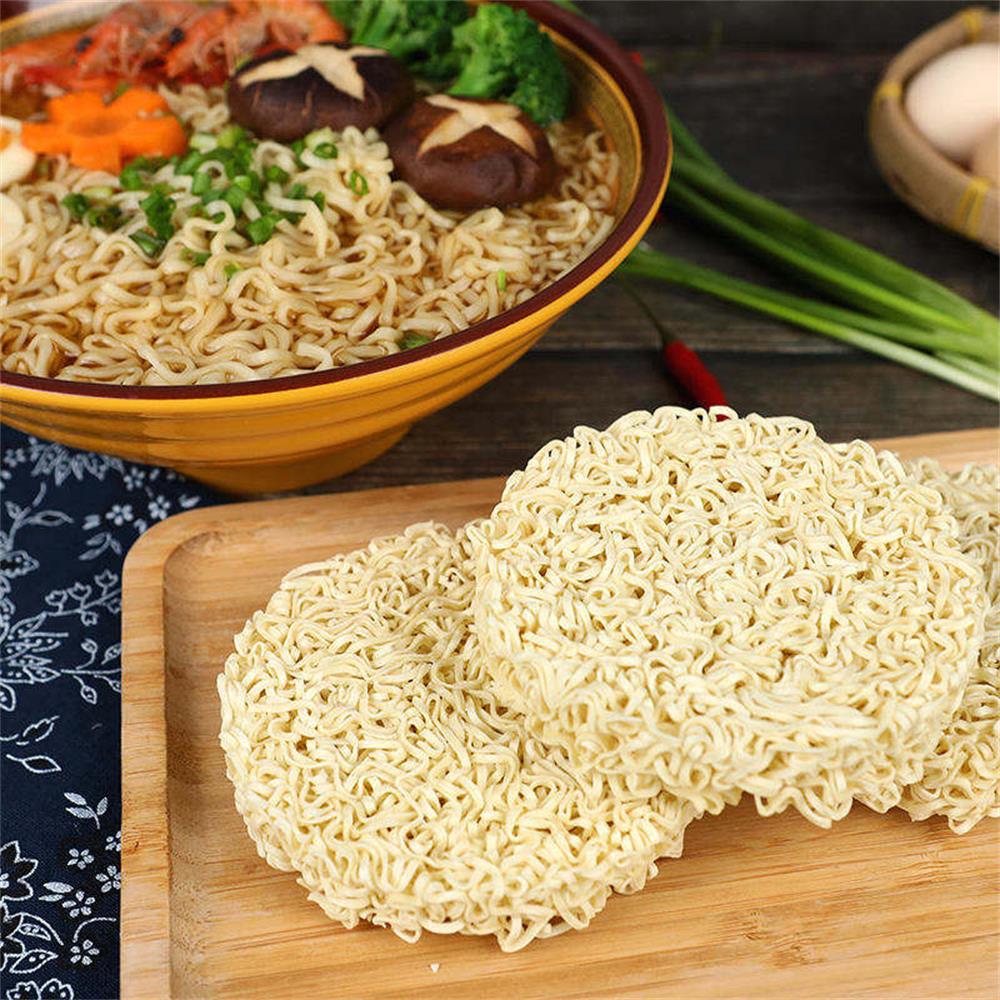
Then came the game-changer: instant noodles. Invented in 1958 by Momofuku Ando, this convenient innovation perfectly matched the fast pace of modern life. Today, China leads the world in instant noodle consumption, proving that this ancient food easily adapted to contemporary needs.
Noodles in Today’s China
Modern Chinese noodles continue to evolve. You’ll now see versions made with buckwheat, sweet potato, or other alternative flours for health-conscious eaters. Plant-based and vegan options are becoming more popular without losing any of the traditional taste.
Chinese noodles have also traveled the globe and inspired other cuisines. Japanese ramen traces its roots to Chinese lamian. Dishes like Thailand’s pad Thai and Vietnam’s pho also show clear connections to Chinese noodle traditions. It’s a beautiful example of how food crosses borders and brings cultures closer.
A Living Tradition
From a humble bowl unearthed after millennia to the steaming noodles you can grab on any street corner today, Chinese noodles represent ingenuity, adaptability, and cultural pride. They’ve nourished generations through good times and hard ones, and they still bring families and friends together around the table.
Next time you slurp a bowl of noodles—whether in a noisy Beijing hutong, a Sichuan night market, or a restaurant halfway across the world—you’re tasting more than just a meal. You’re experiencing a delicious thread of history that’s been stretching continuously for over 4,000 years.